Spine Health
Evidence-based articles on posture, back pain prevention, daily habits, and safe, sustainable movement.
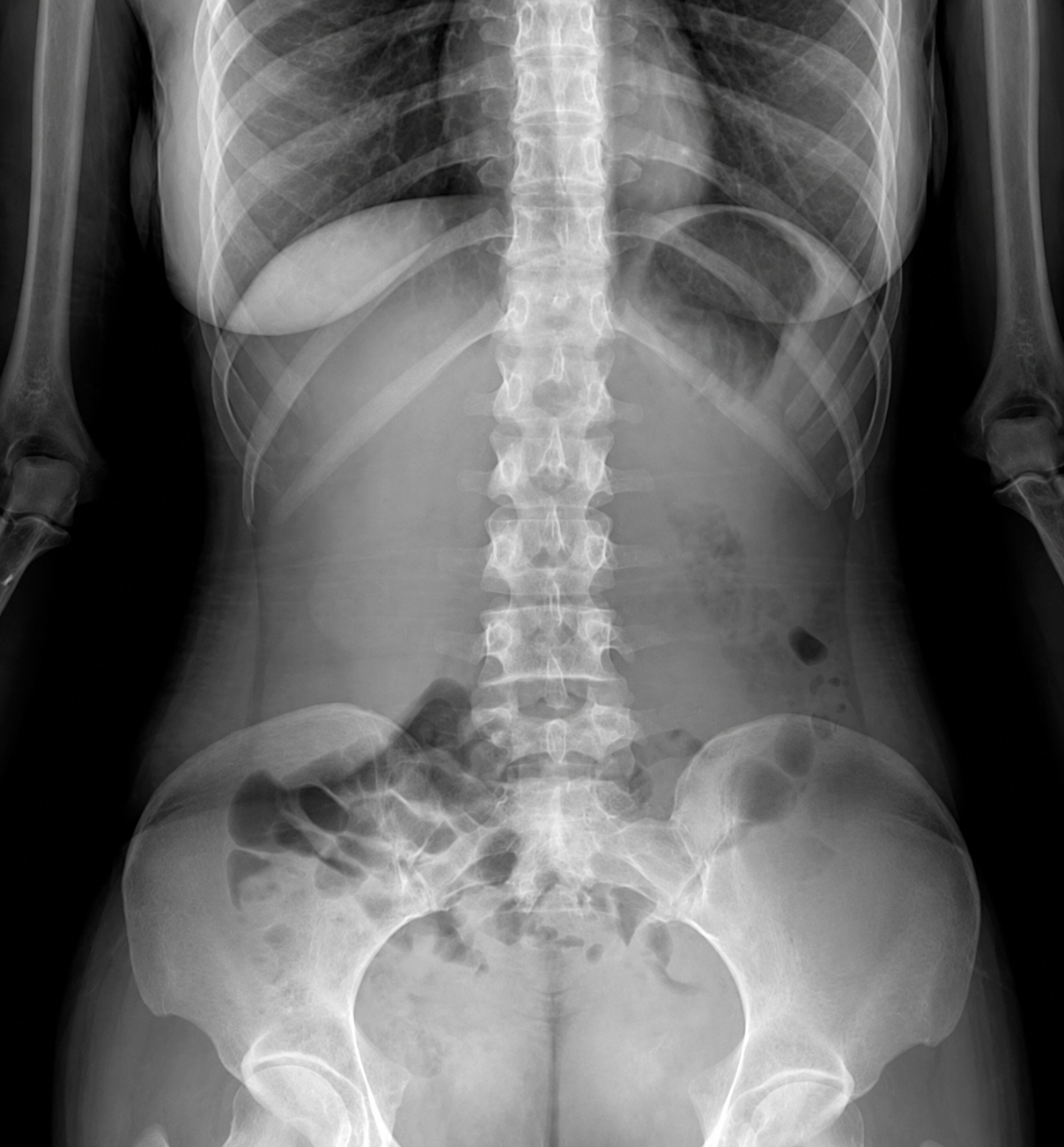
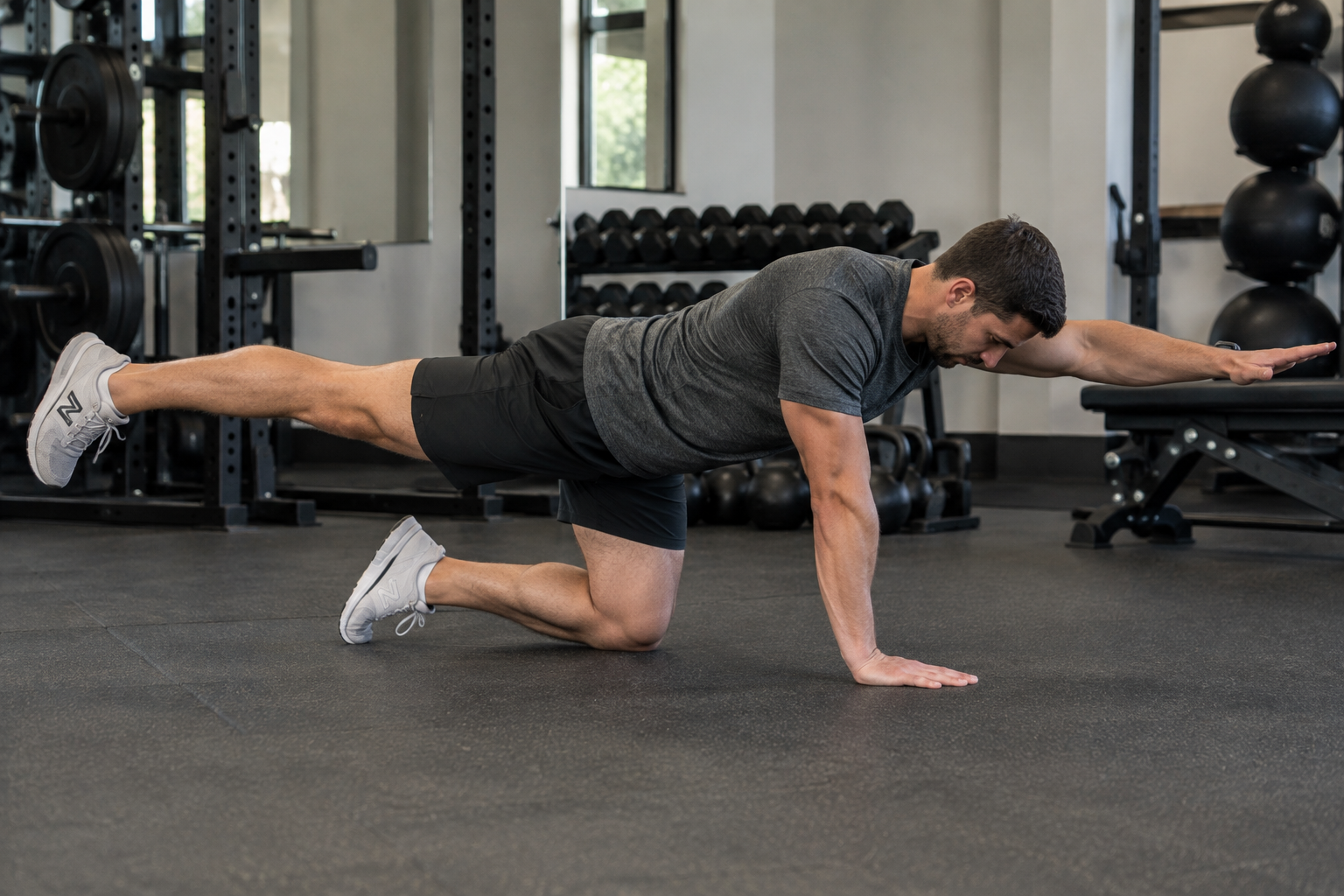
Understand Your Spine, Protect It
Explore how your spine works, why pain develops, and what you can do today to move better. Dive into guides on low back pain, neck pain, sciatica, disc issues, arthritis, and more.
Article One
The Science of Good Posture
Posture is one of the most talked-about topics in spine health — and one of the most misunderstood. The good news is that healthy posture is far less about sitting perfectly upright and far more about how often you move. Here is what the research actually tells us, and what you can do about it starting today.
What Posture Actually Means
When people say “posture,” they usually picture a single, ideal position. In reality, there are two kinds. Static posture is how you hold your body when you are still — sitting at a desk, standing in line, or lying down. Dynamic posture is how you hold your body as you move — walking, lifting, reaching, or bending. Both matter, but dynamic posture is where most everyday spinal stress happens, because your spine is designed to move, not to be held rigidly in place.
How Poor Posture Develops
Poor posture is rarely a single bad habit — it is the sum of thousands of small ones. Long hours at a desk pull the shoulders forward and round the upper back. Looking down at a phone (a position often called “text neck”) loads the neck with the equivalent of extra pounds for every degree of forward tilt[1]. Sedentary days mean the muscles that support your spine simply stop being asked to do their job. Over months and years, your body adapts to the positions you spend the most time in.
What Happens to the Spine Over Time
When certain positions dominate your day, three things tend to happen. First, muscle imbalances develop — some muscles become short and tight while their opposites become long and weak, changing how force moves through your spine. Second, disc loading shifts: the soft cushions between your vertebrae experience uneven, sustained pressure rather than the varied, healthy loading they thrive on. Third, sustained postures can create nerve tension, where nerves are stretched or compressed in ways that produce tingling, aching, or referred pain elsewhere in the body.
What the Research Shows
Studies measuring pressure inside the lumbar discs have found that prolonged sitting can increase disc pressure by up to 40% compared with standing, and slouched sitting raises it further still[2,3]. Research also consistently shows that it is not any single “bad” position that predicts pain — it is time spent without movement[4]. In other words, the healthiest posture is the one you change frequently. For a deeper look at how these loads affect the lower spine, see our guide to Low Back Pain.
Practical Posture Tips
- Workstation ergonomics: Keep your elbows near 90 degrees, wrists neutral, and feet flat on the floor or a footrest.
- Seated posture: Sit back into your chair so your lower back is supported, with hips slightly higher than your knees.
- Standing posture: Stack ears over shoulders over hips, soften the knees, and avoid locking or overarching.
- Screen height: Position the top of your monitor at or just below eye level so you look forward, not down.
Posture Is Not One Position
Here is the most important idea to take away: your best posture is your next posture. The spine is built for variety, and movement is medicine. A perfectly “correct” position held for hours is still harmful, while a relaxed position that you shift out of every few minutes keeps your discs nourished and your muscles engaged. Build in regular movement, and combine it with a targeted routine from our Exercise Rx guides.
5 Quick Posture Checks
- Are your ears stacked over your shoulders, not in front of them?
- Are your shoulders relaxed and down, not hunched toward your ears?
- Is your screen at eye level so you look forward, not down?
- Are your feet flat and your lower back supported?
- Have you moved or changed position in the last 30 minutes?
Article Two
Back Pain Prevention — What the Research Says
Back pain is nearly universal, but that does not make it inevitable — or unmanageable. Decades of research point to a clear, practical set of strategies that lower your risk and speed recovery. Here is what the evidence supports, and, just as importantly, what it warns against.
Just How Common Is It?
Roughly 80% of adults will experience back pain at some point in their lives, making it one of the leading reasons people miss work and visit a doctor worldwide[5,6]. The reassuring news is that the vast majority of back pain is “non-specific,” meaning it is not caused by a serious underlying disease and tends to improve with the right approach.
The Biopsychosocial Model
Modern pain science understands back pain through the biopsychosocial model — a way of saying that pain is shaped by three interacting factors. The biological (tissue, discs, muscles), the psychological (stress, mood, fear of movement), and the social (work demands, support, sleep). This matters because it explains why two people with identical scans can have completely different levels of pain, and why treating only the tissue often falls short[7].
Evidence-Based Prevention Strategies
- Exercise: The single most effective preventive tool. Core stability and flexibility training top the evidence[8]. Explore structured programs in our Exercise Rx section.
- Weight management: Reducing excess load lowers the mechanical demand on your lower spine.
- Smoking cessation: Smoking reduces blood flow to spinal discs, accelerating their wear[9].
- Sleep posture: Supportive positions reduce overnight strain and improve recovery.
Stress, Cortisol, and Your Back
Chronic stress keeps levels of the hormone cortisol elevated, which sustains muscle tension and heightens the nervous system’s sensitivity to pain[10]. This is one reason stressful periods so often coincide with back flare-ups. Managing stress is not a “soft” add-on — it is a genuine, physiological part of prevention. Inflammation plays a role too; learn more in our guide to Inflammation.
What NOT to Do
Two outdated ideas still cause harm. The bed rest myth — the belief that you should lie still until pain fades — actually slows recovery; gentle movement is now the standard advice[11]. And for non-specific back pain, opioid medications carry serious risks with little long-term benefit, and are no longer recommended as a first-line approach. When in doubt, favor movement and guidance over rest and strong medication.
When to See a Specialist
Most back pain resolves on its own, but seek prompt evaluation if you experience any of these warning signs:
- Numbness, tingling, or weakness spreading into a leg or arm
- Loss of bladder or bowel control
- Pain following a significant fall or injury
- Unexplained weight loss, fever, or night pain
- Pain that steadily worsens over several weeks despite self-care
References
- Hansraj KK. Assessment of stresses in the cervical spine caused by posture and position of the head. Surg Technol Int. 2014;25:277–279. PMID: 25393825
- Nachemson AL. Disc pressure measurements. Spine. 1981;6(1):93–97. PMID: 7209680
- Wilke HJ, et al. New in vivo measurements of pressures in the intervertebral disc in daily life. Spine. 1999;24(8):755–762.
- Parreira P, et al. Association between sedentary behavior and low back pain: a systematic review and meta-analysis. BMC Musculoskelet Disord. 2022;23(1):326. PMC8983064
- Hoy D, et al. A systematic review of the global prevalence of low back pain. Arthritis Rheum. 2012;64(6):2028–2037. DOI: 10.1002/art.34347
- GBD 2017 Disease and Injury Incidence and Prevalence Collaborators. Global, regional, and national burden of low back pain, 1990–2017. Lancet Rheumatol. 2020;2(5):e263–e273. PMC7186678
- Waddell G. A new clinical model for the treatment of low-back pain. Spine. 1987;12(7):632–644. PMID: 2961080
- Smith BE, et al. Effectiveness of core stability exercises in patients with non-specific low back pain: a systematic review. PLoS One. 2022;17(3):e0264418. PMC9340836
- Battié MC, et al. Smoking and lumbar intervertebral disc degeneration: an MRI study of identical twins. Spine. 1991;16(9):1015–1021. PMID: 1948392
- Generaal E, et al. The mutually reinforcing dynamics between pain and stress. Front Pain Res. 2024. PMC11609167
- Dahm KT, et al. Advice to rest in bed versus advice to stay active for acute low-back pain and sciatica. Cochrane Database Syst Rev. 2010;(6):CD007612. PMID: 20556780
- Adams MA, et al. Diurnal variations in the stresses on the lumbar spine. Spine. 1987;12(2):130–137.
- Kovacs FM, et al. Effect of firmness of mattress on chronic non-specific low-back pain: randomised, double-blind, controlled, multicentre trial. Lancet. 2003;362(9396):1599–1604.
- Veronese N, et al. Nutrition interventions for spine-related pain: a scoping review. Nutrients. 2024;16(22):3901. PMID: 39524003
This page is for educational purposes only and does not constitute medical advice.
Article Three
Daily Habits for Lifelong Spinal Health
Protecting your spine is not about grand gestures — it is about small, repeatable habits woven through an ordinary day. Here is a practical, morning-to-night blueprint you can adapt to your own life, grounded in how the spine actually stays healthy.
A Morning Spine Routine
Your discs absorb fluid overnight, which makes them slightly more vulnerable first thing in the morning[12]. Start gently: a few minutes of gentle mobilization — slow rolls, knee hugs, and cat-cow style movements — before any heavy bending. Drink a glass of water to support hydration (your discs are largely water), and set a simple posture intention for the day so movement stays front of mind.
Movement Snacks
Rather than one workout to “make up” for a still day, sprinkle in movement snacks — 60 to 90 seconds of standing, stretching, or walking every half hour. These micro-breaks keep your discs nourished, reset your posture, and prevent the stiffness that builds during long sitting stretches.
Ergonomics at Work and Home
Apply the same principles everywhere you spend time. At your desk, keep screens at eye level and support your lower back. At home, notice how you sit on the couch, carry groceries, and lift children or pets — hinge at the hips and keep loads close to your body. Small adjustments in the places you spend the most time yield the biggest returns.
Sleep Positions and Mattress Guidance
Side and back sleeping tend to be kindest to the spine. Side sleepers benefit from a pillow between the knees to keep the hips aligned; back sleepers from a small pillow under the knees. A medium-firm mattress suits most people[13] — supportive enough to prevent sagging, forgiving enough to respect your natural curves.
Nutrition for Disc Health
What you eat supports the tissues that support you. Collagen and adequate protein help maintain connective tissue; omega-3s help manage inflammation; vitamin D and magnesium support bone and muscle function[14]. Whole foods do most of the heavy lifting here. For a deeper dive, see our Nutrition and Inflammation guides.
Stress Management
Stress does not stay in your head — it lives in your back muscles. Elevated tension tightens the muscles along the spine and lowers your threshold for pain. Brief daily practices like breathing exercises, walks, or a few minutes of quiet reset both the nervous system and the muscles it controls.
Evening Wind-Down for Decompression
End the day by giving your spine room to decompress. Gentle stretches, a short period of lying flat, or supported positions that lengthen the back help release the accumulated load of the day and prepare your body for restorative sleep.
Daily Spine Checklist
- Move gently within your first 30 minutes awake
- Drink water throughout the day to keep discs hydrated
- Take a movement snack at least once an hour
- Keep screens at eye level and your back supported
- Lift with your hips, keeping loads close to your body
- Eat protein and omega-3-rich whole foods
- Wind down with a few minutes of stretching before bed
 Dr. Austin Fontenot