Nutrition Essentials
Build a nutrition plan that supports healing, strength, and management of chronic pain.
Anti-Inflammatory Diet Foundations
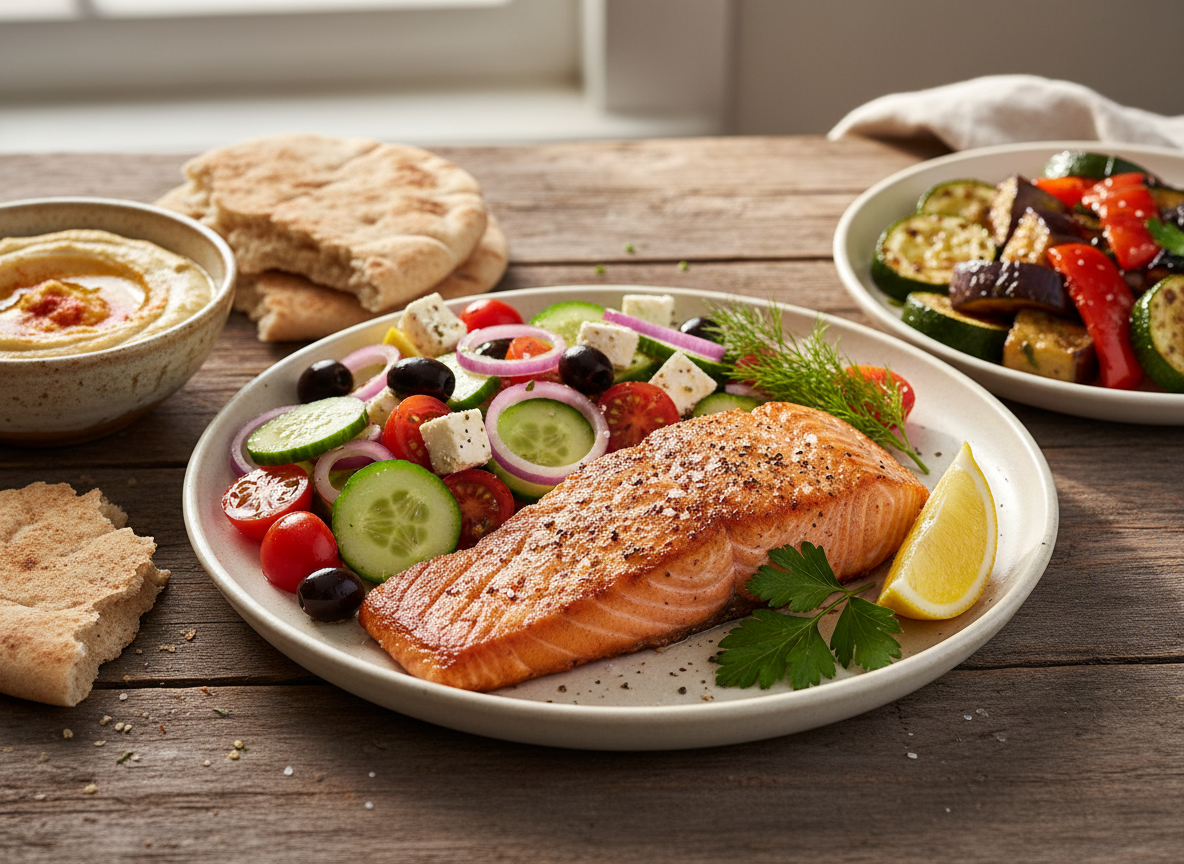
The Mediterranean diet is the most evidence-backed dietary pattern for reducing systemic inflammation. A 2018 meta-analysis in the European Journal of Clinical Nutrition (Schwingshackl et al.) found consistent reductions in CRP, IL-6, and TNF-α with adherence to Mediterranean-style eating. Core principles:
- Prioritize whole foods: vegetables, fruits, legumes, whole grains, olive oil, and fatty fish
- Limit ultra-processed foods, refined carbohydrates, and seed oils high in omega-6
- Omega-3 fatty acids (EPA and DHA from fatty fish or algae-based supplements) suppress NF-κB signaling and reduce pro-inflammatory eicosanoids (Calder, 2017, Nutrients)
- Polyphenols from berries, dark leafy greens, and green tea modulate oxidative stress pathways (Rienks et al., 2018)
Protein for Tissue Repair and Strength
Adequate protein intake is non-negotiable for tissue repair, muscle protein synthesis, and recovery from injury or surgery. Current evidence supports:
- 1.6–2.2 g/kg/day for individuals engaged in rehabilitation or strength training (Morton et al., 2018, Br J Sports Med)
- Leucine-rich sources (whey, eggs, meat, soy) maximally stimulate muscle protein synthesis via mTORC1 activation
- Distribution matters: spread intake across 3–4 meals (~30–40 g per meal) rather than concentrating it in one sitting (Areta et al., 2013, J Physiol)
- During immobilization or injury, maintain protein targets to blunt muscle atrophy — even without a training stimulus, protein preserves lean mass (Wall et al., 2013)
- Collagen peptides (10–15 g) with vitamin C, taken 30–60 minutes before connective tissue loading, may enhance tendon and ligament repair (Shaw et al., 2017, Am J Clin Nutr)
Micronutrients That Matter
Several micronutrients play direct roles in tissue healing, immune function, and musculoskeletal health:
- Vitamin D: Deficiency is prevalent and associated with poor muscle function, increased fracture risk, and impaired immune regulation. Target serum 25(OH)D of 40–60 ng/mL; supplement with 1,500–2,000 IU/day if deficient (Holick, 2007, NEJM)
- Magnesium: Required for over 300 enzymatic reactions; involved in muscle relaxation, sleep quality, and nerve conduction. Many adults are insufficient (Rosanoff et al., 2012)
- Zinc: Critical for wound healing and collagen synthesis; found in meat, shellfish, seeds, and legumes
- Vitamin C: Essential cofactor for collagen cross-linking; 200–500 mg/day from food or supplements supports connective tissue repair (DePhillipo et al., 2018, Orthop J Sports Med)
- Iron: Carries oxygen to healing tissue; particularly important in post-surgical or post-injury contexts — check ferritin, not just hemoglobin
Intermittent Fasting and Time-Restricted Eating
Intermittent fasting (IF) and time-restricted eating (TRE) have demonstrated anti-inflammatory and metabolic benefits in human trials — though context matters, especially during active rehabilitation.
- A 2019 RCT in Cell Metabolism (Wilkinson et al.) showed 10-hour TRE reduced inflammatory markers, blood pressure, and atherogenic lipids in metabolic syndrome patients over 12 weeks
- IF promotes autophagy — cellular cleanup of damaged proteins and organelles — which may support tissue remodeling (Longo & Mattson, 2014, Cell Metabolism)
- Caution during active rehab: caloric restriction or prolonged fasting windows can blunt muscle protein synthesis and impair recovery. Prioritize protein targets within your eating window
- A practical approach: a 12–14 hour overnight fast with a consistent eating window; avoid aggressive restriction during high-load rehab phases
- IF is not appropriate for everyone — those with a history of disordered eating, athletes in high training blocks, or individuals who are underweight should approach cautiously
Evidence-Based Supplements
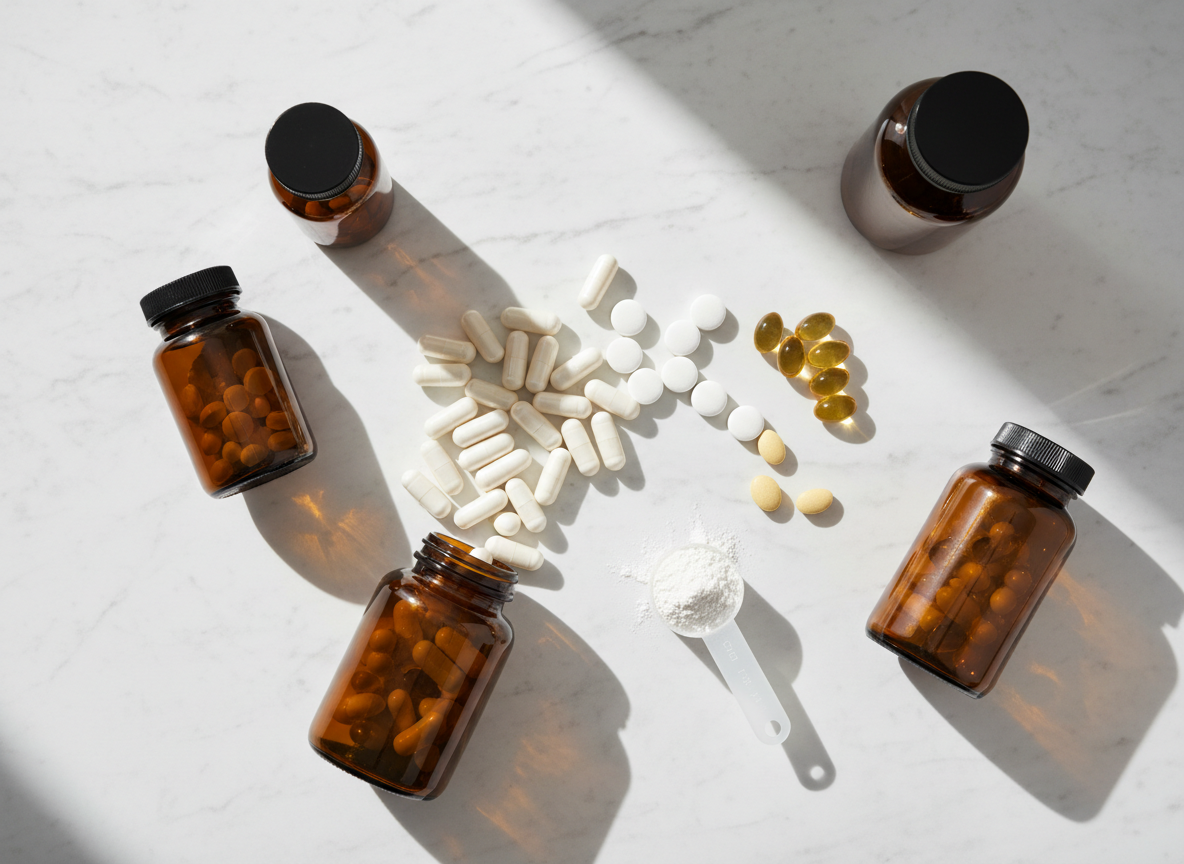
The supplement market is saturated with weak evidence. The following have the strongest support for musculoskeletal health, recovery, and inflammation reduction.
Tier 1 — Strong Evidence
- Creatine monohydrate: Increases intramuscular phosphocreatine, enhances strength adaptations, and may reduce muscle loss during immobilization. 3–5 g/day (Lanhers et al., 2017, Eur J Sport Sci)
- Omega-3 (EPA + DHA): 2–4 g/day reduces CRP, joint pain, and muscle soreness post-exercise (Smith et al., 2011, Clin Sci)
- Vitamin D3: Supplement if deficient; pairs with K2 for calcium metabolism and bone health
- Collagen peptides + Vitamin C: Pre-exercise dosing to support tendon and ligament synthesis (Shaw et al., 2017)
Tier 2 — Moderate Evidence
- Curcumin (with piperine or lipid delivery): Inhibits COX-2 and NF-κB; 500–1,000 mg/day reduces joint pain in osteoarthritis (Daily et al., 2016, J Med Food)
- Magnesium glycinate or malate: Better absorbed than oxide; supports sleep, muscle recovery, and nerve function
- Tart cherry extract: Reduces DOMS and inflammatory markers post-exercise; 480 mg concentrate or 8–12 oz juice (Howatson et al., 2010, Br J Nutr)
- Ashwagandha (KSM-66): Reduces cortisol, supports testosterone, and improves strength outcomes in RCTs (Wankhede et al., 2015, J Int Soc Sports Nutr)
Supplements with Insufficient or Mixed Evidence
Glutamine (in non-clinical populations), BCAAs (redundant with adequate protein intake), and most proprietary blends lack sufficient evidence to recommend — skip or proceed with caution.
Putting It Together
Nutrition for healing is not a single hack — it’s a pattern. An anti-inflammatory whole-food foundation, sufficient protein spread across the day, targeted micronutrients, strategic supplementation, and an eating window aligned with your recovery demands will collectively move the needle. Individual needs vary; work with a registered dietitian or sports nutritionist to tailor these principles to your specific condition, medications, and goals.
This page links to deeper dives on Inflammation, Protein, Supplements, Metabolic Health, and Fueling — use the navigation to explore each topic in detail.
References & Sources
- Martínez-González MA, et al. “Mediterranean Diet and Musculoskeletal Health.” Nutrients. 2019.
- Haß U, et al. “Anti-Inflammatory Diets and Fatigue.” Nutrients. 2019;11(10):2315.
- Morton RW, et al. “A systematic review, meta-analysis and meta-regression of the effect of protein supplementation on resistance training–induced gains in muscle mass and strength in healthy adults.” Br J Sports Med. 2018;52(6):376–384.
- Stokes T, et al. “Recent Perspectives Regarding the Role of Dietary Protein for the Promotion of Muscle Hypertrophy with Resistance Exercise Training.” Nutrients. 2018;10(2):180.
- Shaw G, et al. “Vitamin C–enriched gelatin supplementation before intermittent activity augments collagen synthesis.” Am J Clin Nutr. 2017;105(1):136–143.
- Lis DM, et al. “Collagen Supplementation on Tendon-Related Structural and Performance Outcomes: A Systematic Review.” PMC. 2026.
- Wilkinson MJ, et al. “Ten-Hour Time-Restricted Eating Reduces Weight, Blood Pressure, and Atherogenic Lipids in Patients with Metabolic Syndrome.” Cell Metabolism. 2020;31(1):92–104.
- Antonio J, et al. “Common Questions and Misconceptions About Creatine Supplementation.” J Int Soc Sports Nutr. 2021;18(1):13.
- Calder PC. “Marine omega-3 fatty acids and inflammatory processes: Effects, mechanisms and clinical relevance.” Biochim Biophys Acta. 2015;1851(4):469–484.
- Daily JW, et al. “Efficacy of Turmeric Extracts and Curcumin for Alleviating the Symptoms of Joint Arthritis: A Systematic Review and Meta-Analysis of Randomized Clinical Trials.” J Med Food. 2016;19(8):717–729.
- Gao R & Chilibeck PD. “Effect of Tart Cherry Concentrate on Endurance Exercise Performance: A Meta-analysis.” J Am Coll Nutr. 2020;39(7):657–664.
- Vitamin D Council / Holick MF. “Vitamin D Deficiency.” N Engl J Med. 2007;357:266–281.
 Dr. Austin Fontenot