Spine & Back Health
Disc Conditions
Evidence-based guidance on bulges, herniations, degeneration, and safe, progressive rehabilitation strategies.
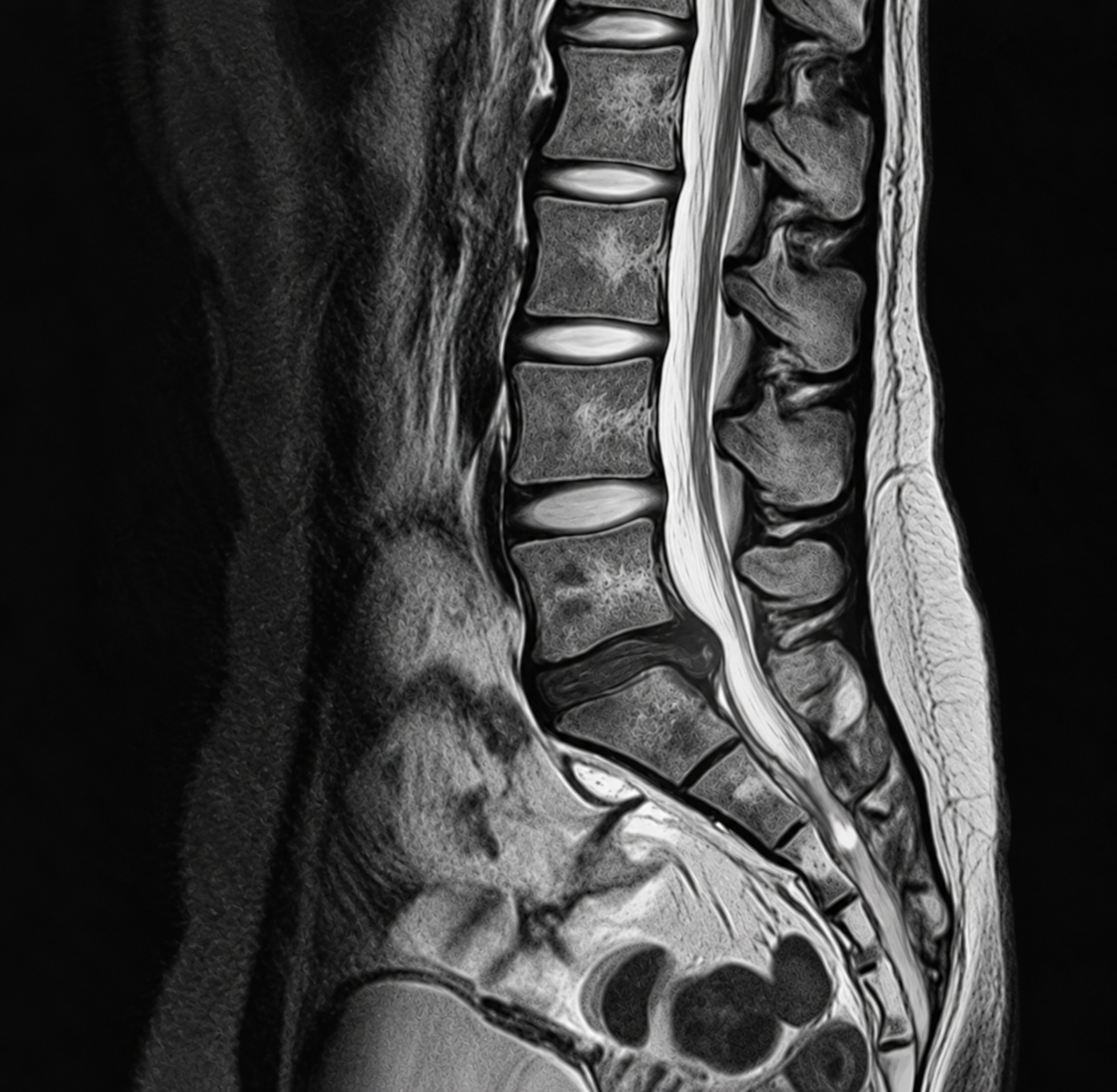
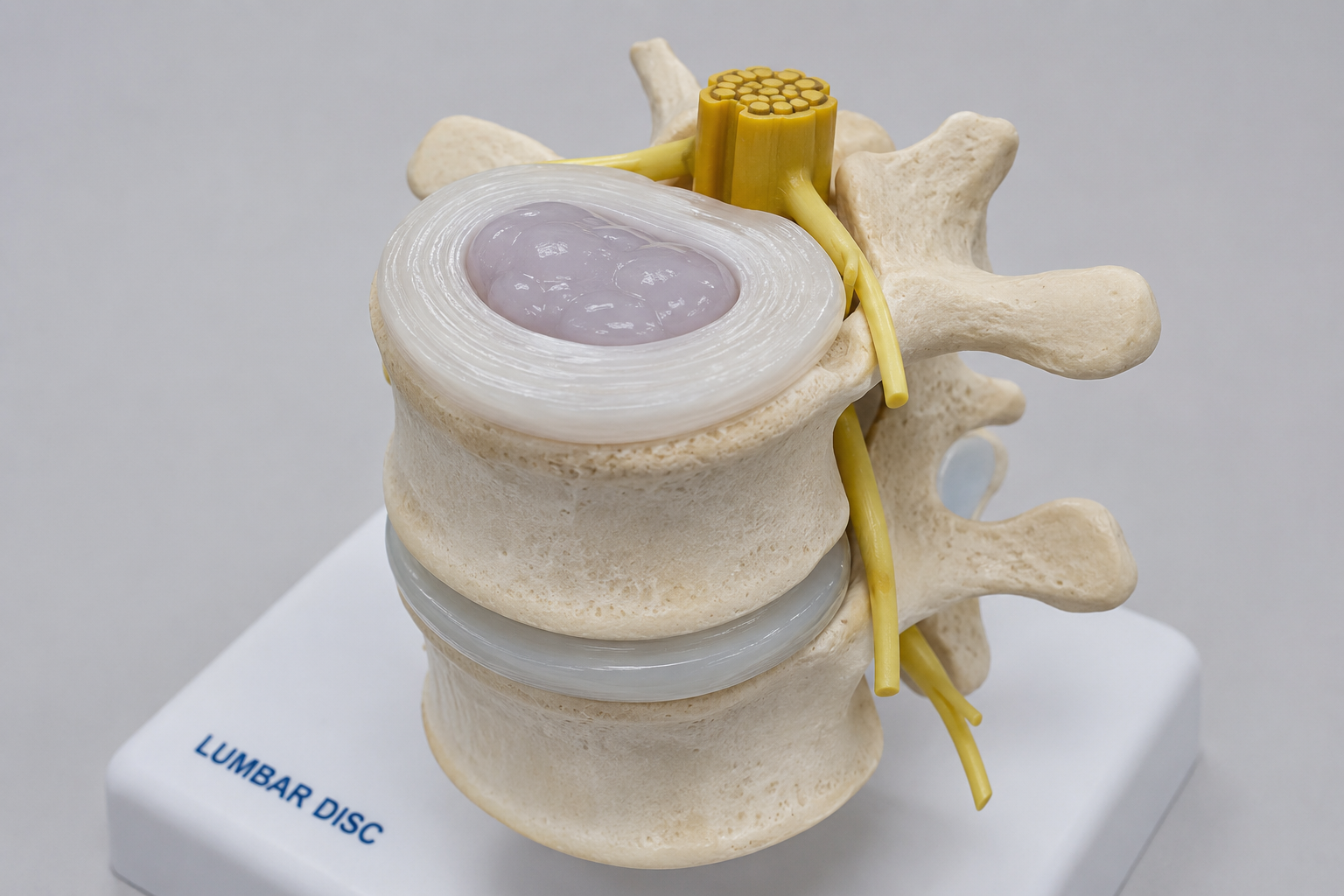
Understanding Your Spinal Discs
Each spinal disc is built from two parts working together: a tough outer ring of concentric fibers, the annulus fibrosus, surrounding a gel-like center, the nucleus pulposus. Together they act as the spine’s shock absorbers, distributing load and allowing controlled movement between vertebrae.
Because discs bear repeated pressure and lose hydration with age, they are vulnerable to injury and degeneration. Understanding how they function is the first step toward safe, progressive recovery — and many disc problems improve with time, targeted exercise, and guidance rather than surgery.
The Conditions
Three Common Disc Conditions
Disc Bulge
A disc bulge occurs when the outer ring weakens and the disc extends beyond its normal boundary. Often asymptomatic but can compress nearby nerve roots, producing local or radiating pain. Conservative management is highly effective.
Disc Herniation
Herniation involves a tear in the annulus fibrosus, allowing the nucleus to protrude outward. This can cause significant nerve irritation, radiculopathy, and motor deficits depending on location and severity.
Disc Degeneration
Degenerative disc disease (DDD) reflects age-related loss of disc hydration and height. While a natural process, accelerated degeneration can contribute to chronic pain, stiffness, and altered spinal mechanics.
Assessment & Diagnosis
Clinical Assessment
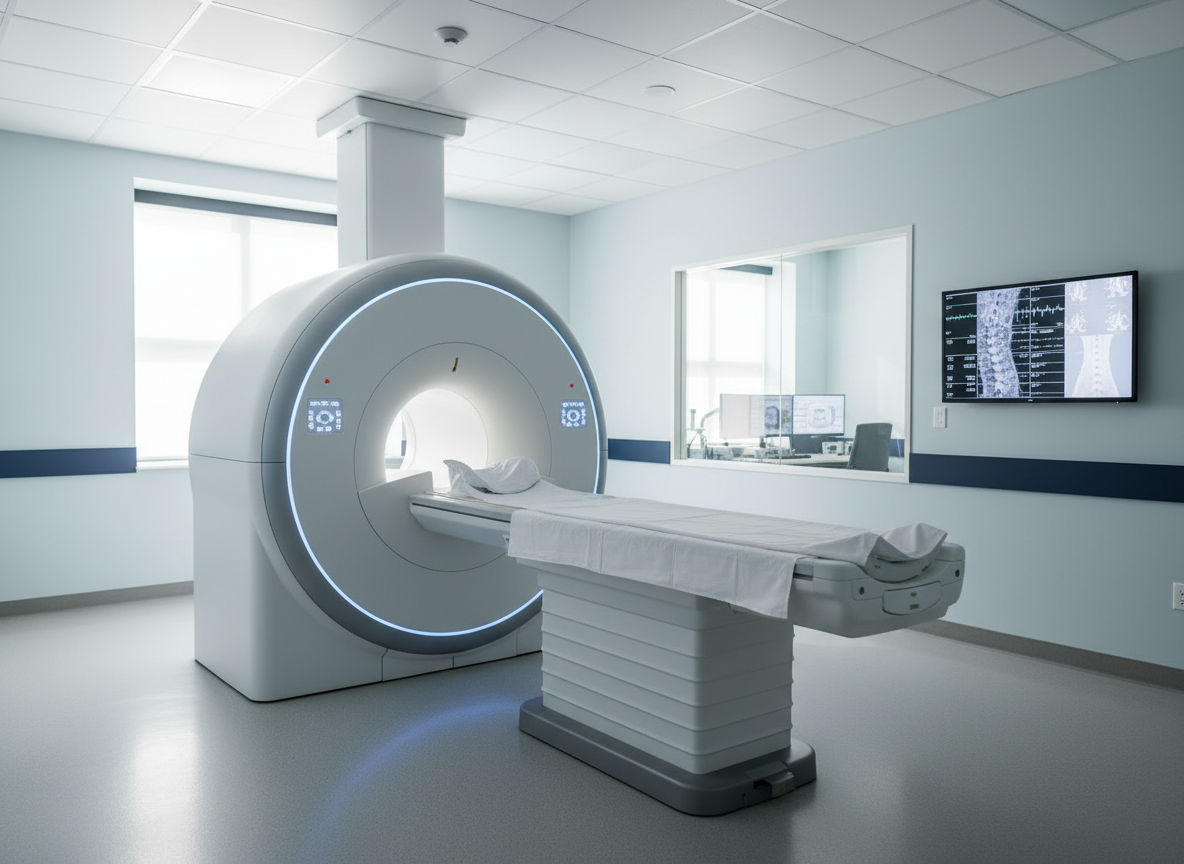
Accurate diagnosis begins with a thorough history, followed by orthopedic and neurological testing to localize symptoms and assess nerve involvement. Imaging — X-ray, MRI, or CT — helps confirm structural findings and rule out serious pathology, then guides an individualized treatment plan.
Important: imaging findings alone do not dictate prognosis. Many people with visible disc changes have no pain — clinical correlation matters more than the picture.
Treatment
Conventional Treatment Approaches
Rest & Activity Modification
Short-term rest combined with strategic activity modification helps reduce acute inflammation. Prolonged bed rest is not recommended; controlled movement accelerates recovery.
NSAIDs & Anti-Inflammatories
Non-steroidal anti-inflammatory drugs reduce acute pain and swelling. Best used short-term alongside active rehabilitation rather than as standalone management.
Epidural Steroid Injections
ESIs can provide targeted anti-inflammatory relief for acute radiculopathy, helping patients engage in rehabilitation. Evidence supports short-term relief; long-term outcomes require adjunct therapy.
Surgical Intervention
Microdiscectomy and spinal fusion are reserved for cases with progressive neurological deficits or failure of conservative care. Evidence suggests most disc herniations resolve with non-surgical management.
Alternative Care
Chiropractic Care for Disc Conditions
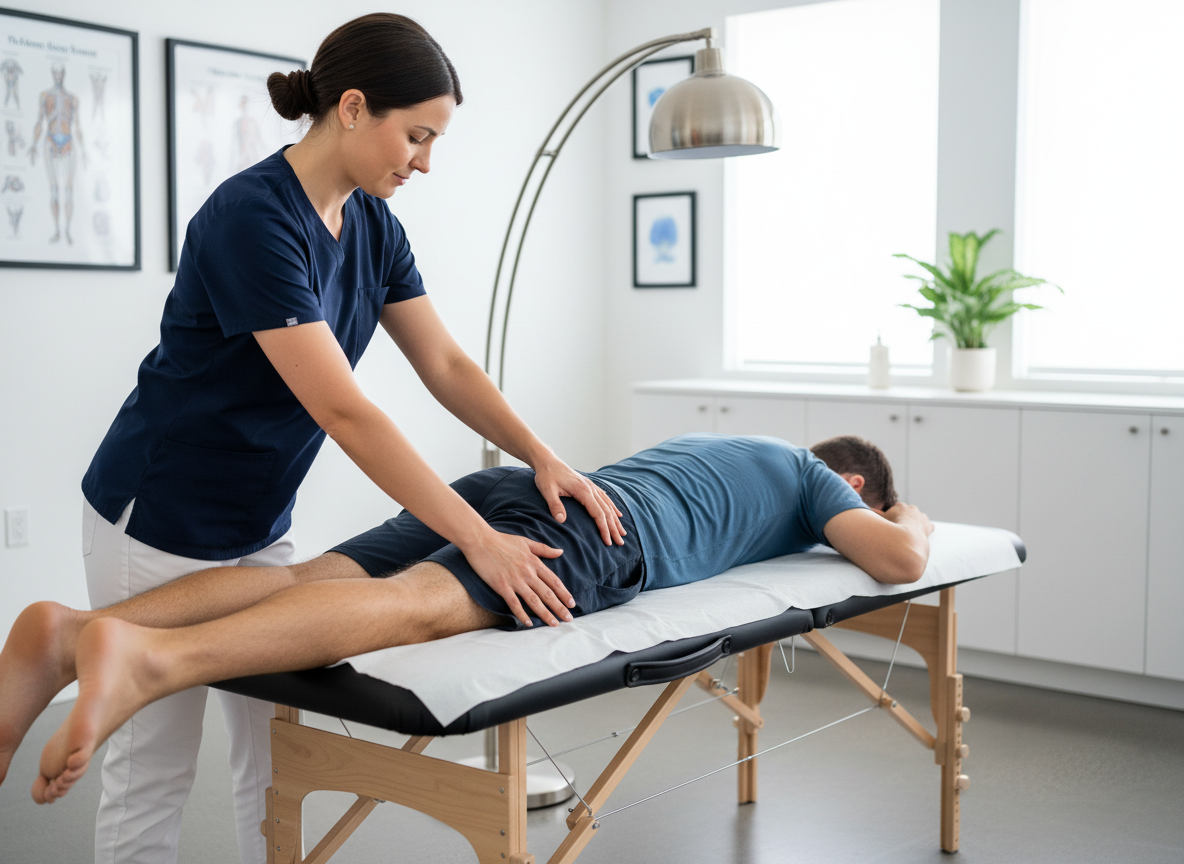
Chiropractic management of disc conditions centers on spinal manipulation and mobilization to restore movement and reduce pain. Flexion-distraction technique — the Cox technique in particular — is a gentle, targeted approach specifically studied for disc herniations, applying controlled distraction to decompress the affected segment.
The evidence base is strongest when chiropractic care is not delivered in isolation. It is most effective when combined with exercise and education, giving patients both symptom relief and the tools to rebuild resilience.
Rehabilitation
Therapeutic Exercise & Progressive Rehabilitation
McKenzie Extension Protocol
Extension-based exercises are foundational for centralizing disc herniation symptoms. The McKenzie Method uses directional preference assessment to individualize exercise prescription.
Core Stabilization
Deep core stabilization (transverse abdominis, multifidus activation) restores segmental control and reduces abnormal loading on disc structures.
Neural Flossing & Nerve Mobilization
Sciatic and femoral nerve mobilization exercises reduce neural tension caused by disc pressure on adjacent nerve roots. Gentle sliders and tensioners, performed within pain-free range, promote intraneural circulation and reduce mechanosensitivity — a key driver of persistent radicular symptoms.
Dry Needling for Disc-Related Muscle Dysfunction
Disc pathology is almost always accompanied by secondary paraspinal muscle splinting, trigger points, and altered motor patterns. Dry needling targets these myofascial components directly.
Paraspinal Trigger Point Release
Dry needling of the multifidus, erector spinae, and quadratus lumborum reduces local ischemia and restores normal resting tone in muscles that chronically guard around a painful disc segment.
Gluteal & Piriformis Dysfunction
Hip abductor weakness and piriformis tightness are common compensatory patterns in disc patients. Needling these structures in conjunction with exercise retraining restores normal lumbopelvic mechanics and reduces compressive loads on the lumbar disc.
Restoring Motor Recruitment
Pain inhibition from disc irritation suppresses deep stabilizer activation. Dry needling followed immediately by targeted exercise accelerates motor re-education and helps re-establish the normal firing sequence of core stabilizing muscles.
Regenerative Medicine
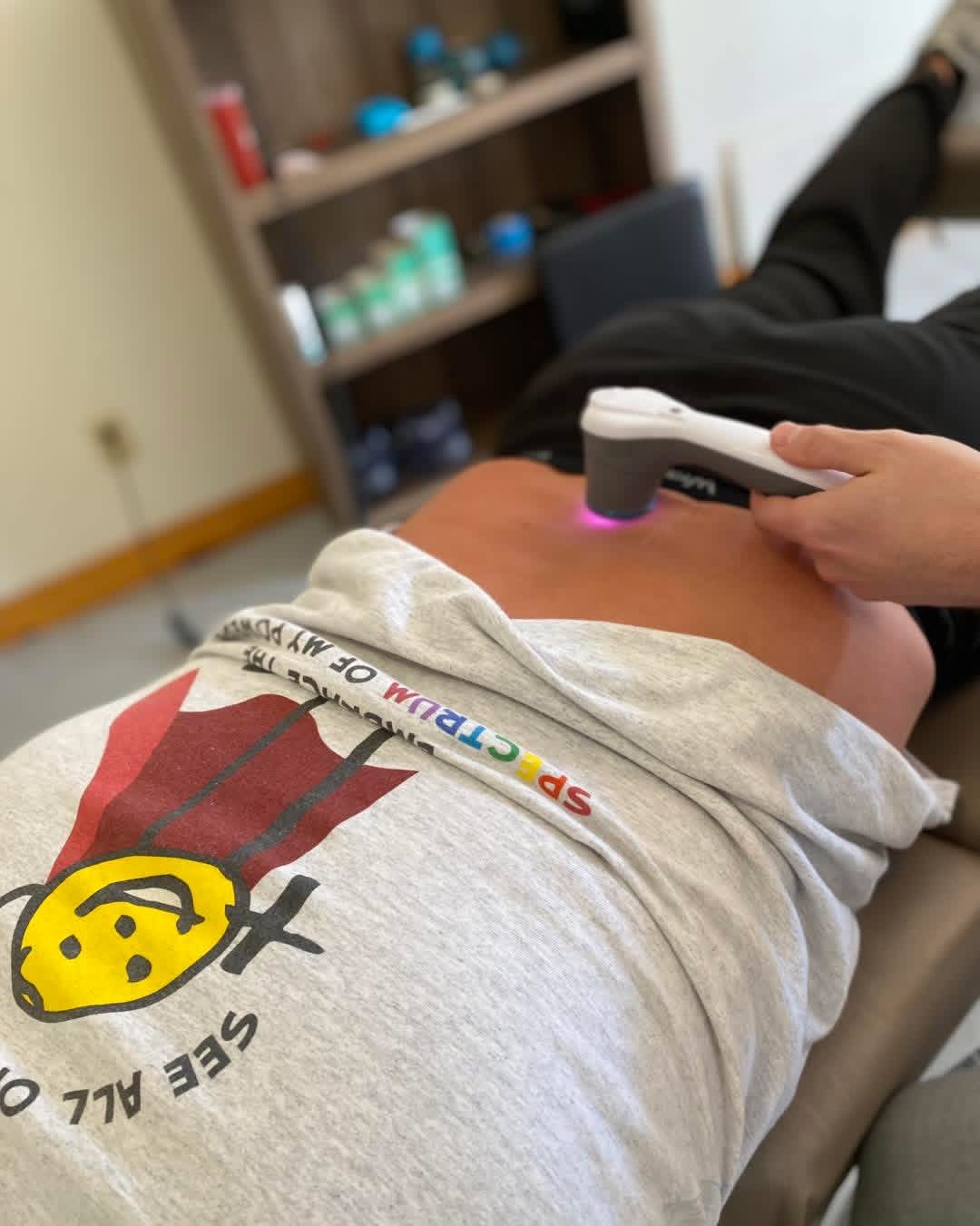
High-Intensity Laser Therapy (HILT)
High-intensity laser therapy delivers photobiomodulation at therapeutic depths capable of reaching the intervertebral disc and surrounding neural structures. Unlike low-level laser, HILT penetrates beyond superficial soft tissue to reduce nuclear pulposus inflammation, promote disc matrix remodeling, and modulate nociceptive signaling in compressed nerve roots.
Clinical evidence supports HILT as an effective adjunct to manual therapy and exercise in patients with disc herniation and associated radiculopathy. A 2023 systematic review found significant reductions in pain intensity, disability scores, and analgesic consumption in disc patients receiving HILT compared to sham treatment.
Spinal Traction & Decompression
Mechanical traction applies a distraction force along the spinal axis to reduce intradiscal pressure, widen intervertebral foramina, and relieve compressive nerve root irritation.
Mechanical & Motorized Traction
Intermittent motorized traction applied to the lumbar or cervical spine creates cyclical loading and unloading of the disc, promoting fluid exchange, reducing nuclear pressure, and creating a retraction force on herniated material. Most effective when combined with manual therapy and therapeutic exercise as part of a multimodal plan.
Flexion-Distraction Technique
A manual, low-force chiropractic technique that uses a specialized table to apply gentle traction and flexion to the lumbar spine. Research supports its effectiveness for lumbar disc herniation, particularly in reducing radicular leg pain and improving functional outcomes when performed in a series of treatments over 4–6 weeks.
Medical Guidance
When to Seek Urgent Medical Attention
Most disc conditions respond well to conservative care — but certain symptoms require prompt medical evaluation.
Seek Care Within 24–48 Hours
Progressive neurological deficits — worsening weakness, numbness, or tingling that spreads down the arm or leg — warrant prompt evaluation. New foot drop, difficulty gripping objects, or loss of coordination signal nerve compromise that should not be managed conservatively alone.
Emergency Red Flags
Cauda equina syndrome is a surgical emergency. Seek emergency care immediately if you experience loss of bladder or bowel control, saddle anaesthesia (numbness in the groin and inner thighs), or rapidly progressive bilateral leg weakness. These symptoms require decompressive surgery within hours to prevent permanent deficits.
Systemic Warning Signs
Disc pain accompanied by unexplained weight loss, fever, or night sweats may indicate infection (discitis) or malignancy. A history of cancer with new severe back pain requires imaging to rule out spinal metastasis. These presentations fall outside the scope of conservative care.
Sources & Citations
References
This page is intended for educational purposes only and does not constitute medical advice. Always consult a qualified healthcare provider for diagnosis and treatment.
- Bogduk N. Clinical and Radiological Anatomy of the Lumbar Spine. 5th ed. Churchill Livingstone; 2012.
- Brinjikji W, et al. Systematic literature review of imaging features of spinal degeneration in asymptomatic populations. AJNR Am J Neuroradiol. 2015;36(4):811–816. https://pmc.ncbi.nlm.nih.gov/articles/PMC4464797/
- WFNS Spine Committee. The role of conservative treatment in lumbar disc herniations. Brain Spine. 2024. https://pmc.ncbi.nlm.nih.gov/articles/PMC10882128/
- Hahne AJ, et al. Conservative management of lumbar disc herniation with associated radiculopathy: a systematic review. Spine. 2010;35(11):E488–E504. https://pubmed.ncbi.nlm.nih.gov/20421859/
- Chou R, et al. Medications for acute and chronic low back pain: a review of the evidence for an American Pain Society/American College of Physicians clinical practice guideline. Ann Intern Med. 2007;147(7):492–504.
- Parr AT, et al. Lumbar interlaminar epidural injections in managing chronic low back and lower extremity pain. Pain Physician. 2009;12(1):163–188.
- Jacobs WC, et al. Surgery versus conservative management of sciatica due to a lumbar herniated disc. Eur Spine J. 2011;20(4):513–522.
- García AN, et al. Efficacy of the McKenzie method in patients with chronic nonspecific low back pain. Spine. 2013;38(13):E762–E769.
- Gudavalli MR, et al. Intradiscal pressure changes during flexion-distraction: a cadaveric study. Integr Med Res. 2022. https://journals.sagepub.com/doi/10.1089/imr.2022.0002
- Cheng YH, et al. The effect of mechanical traction on low back pain in patients with herniated intervertebral discs: a systematic review and meta-analysis. Clin Rehabil. 2020;34(1):3–12. https://journals.sagepub.com/doi/10.1177/0269215519872528
- Nazari G, et al. High-intensity laser therapy in low back pain management: a systematic review with meta-analysis. Lasers Med Sci. 2023. https://pubmed.ncbi.nlm.nih.gov/37493840/
- Celik D, et al. Dry needling in the management of myofascial trigger points: a systematic review of randomized controlled trials. J Electromyogr Kinesiol. 2017;35:70–77. https://pubmed.ncbi.nlm.nih.gov/28735825/
- Todd NV. Cauda equina syndrome: the timing of surgery probably does influence outcome. Br J Neurosurg. 2005;19(4):301–306.
Take the Next Step Toward Recovery
Whether you’re managing a recent disc injury or navigating chronic degeneration, evidence-based care tailored to your condition makes the difference. Dr. Fontenot combines chiropractic, laser, dry needling, traction, and progressive rehabilitation to build a plan that works for your spine.
 Dr. Austin Fontenot